PCI under General Anaesthesia

PIG Meeting: 29th April 2021

Elective PCI in a man with known triple vessel disease.

Background

  • Wheelchair-bound man with muscular dystrophy
  • Uses BiPAP at home – for sleep and occasionally daytime (Pressures 19/12cmH20)
  • Proceduralist has booked for GA

Issues

  • Unable to lie flat, sleeps sitting upright at home. Consideration of ischaemic heart disease contributing to SOB.
  • Requires BiPAP if sleeping
  • Muscular dystrophy
  • Known TVD, Previous PCI with cardiologists only – stented 2 of the 3 vessels. Now proceeding to the third blocked vessel.

Discussion

  • Anaesthetic options discussed
  • BiPAP required at home, can we administer additional Oxygen via patients own machine?
  • Could use HFNP but unlikely to provide enough support given significant pressure on own machine
  • Option to borrow a BiPAP machine from ICU
  • Consensus that avoidance of a GA in this patient would be preferable
  • Uncertain about type of muscular dystrophy but would avoid use of depolarising muscle relaxants

Plan

  • Discuss with proceduralist, option for light sedation/no sedation in as elevated position as possible
  • BiPAP machine from ICU if needing supplemental O2, consider using own if no O2
  • Need some more information on muscular dystrophy and any issues with previous procedure
WPW?

PIG Meeting: 22nd April 2021

53-year-old lady for meniscal repair

Background:

  • History of open cardiac procedure/ablation in early 20’s for arrhythmia.
  • No medical records and patient uncertain of cardiac history
  • Sternotomy scar

Issues:

  • Recent new onset palpitations with presyncope
  • No cardiologist or GP review
  • Complex social history and knee injury making it difficult for patient to attend appointments
  • Difficult to ascertain history

Discussion:

1. Cause of original arrhythmia

  • Likely condition requiring ablation in age group is Wolff-Parkinson-white
  • Some suggestion of WPW in old notes on DMR
  • Could be any number of other conditions requiring ablation, SVT, AF

2. Management of current symptoms

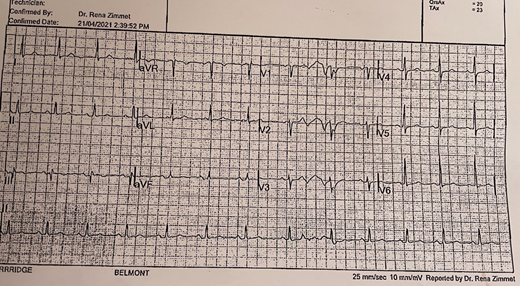
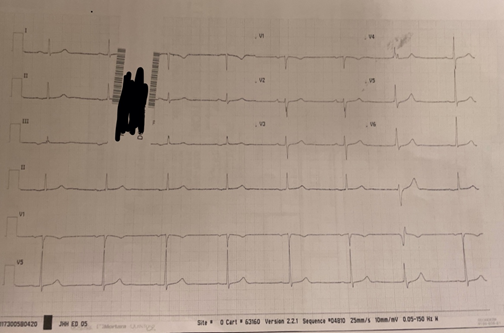
  • ECGs from consult and 2019 reviewed (see below) and discussed – ? pre-excitation
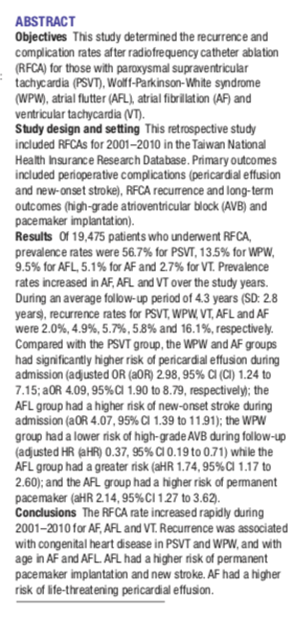
  • How likely are arrhythmias to recur post-ablation or is it a second pathology? See abstract below – BMJ open (2019) – Discussion of recurrence rates after EP ablation and risk factors

Plan:

  • Await Holter monitor results
  • Contact GP for further information on original procedure
  • Discuss at cardiology meeting or refer to cardiologist with Holter results.

SLE and PVD for Neurosurgery

PIG Meeting: 22nd April 2021

71-year-old man for titanium cranioplasty following a traumatic subdural haematoma.

Background:

  • Recent long and complicated hospital stay
  • Iatrogenic bowel perforation leading to septic shock requiring ICU and vasopressors
  • Developed ischaemic limb on background of previous vascular stents and SLE
  • Had been on lifelong warfarin and Plavix.
  • Restarted on warfarin and aspirin on pre-discharge
  • Hit head in rehab, traumatic subdural requiring emergency craniectomy and a further ICU admission

Issues

  • Currently home, back on warfarin and aspirin
  • History of SLE with high titre of anticardiolipin antibodies.
  • Distance patient
  • Neurosurgical team requiring cessation of anticoagulation and antiplatelet therapy
  • Patient and wife very worried about cessation of anticoagulation then travel to hospital.
  • Patient states leg is still ‘dusky’

Discussion

1. How to best manage anticoagulation

  • Multiple competing interests
  • Vascular team happy for warfarin to be ceased from a stent perspective
  • Immunologist concerned regarding high thrombosis risk and advised shortest possible interruption of therapy.
  • Recommends patient should have a high INR target of 2.5-3.5 and should receive enoxaparin or heparin anticoagulation as per high-risk protocol
  • Haematologist agrees with immunologist and will consult as an inpatient.

2. Heparin vs Enoxaparin

  • Heparin may be preferable as will be inpatient
  • Neurosurgeon keen to cease warfarin 5 days preoperatively
  • Suggestion to keep warfarin going until admitted then reverse warfarin and commence heparin infusion
  • Good plan but dependent on bed availability, Enoxaparin can be given regardless

Plan:

  • Cease warfarin 5 days preoperatively.
  • Commence 1.5mg/kg Enoxaparin 1 day after ceasing warfarin
  • Admit to hospital 2 days preoperatively
  • Haematologist review as inpatient
  • Last dose Enoxaparin 24 hours preoperatively

Prehabilitation for knee replacement

PIG Meeting: 22nd April 2021

64-year-old lady for a Left TKR. Currently housebound and immobile following right TKR.

Background

  • Right TKR in 2018 complicated by femoral condyle fracture intraoperatively
  • Partial weight-bearing postoperatively and unable to participate in rehabilitation
  • Currently housebound, no physical activity
  • Multiple previous postponements from perioperative clinic and one cancellation on day of surgery for medical optimisation

Issues

  • Morbidly obese, BMI 50
  • Very complex social situation, husband working full time and is her carer
  • Bilateral rotator cuff tears – may not be able to use forearm support frame postoperatively
  • Attended rehabilitation last year and engaged well with services
  • Lost 30kg with diet and exercise program
  • Stopped attending due to distance – patient is from Taree and was travelling to Newcastle
  • Poor understanding of perioperative risk.
  • Patient and husband very keen for surgery to proceed

Discussion

1. Should surgery proceed?

  • High risk for postoperative complications including joint infection
  • Unlikely to be physically fit to participate in rehabilitation in current condition
  • Surgical team unaware of booking for surgery and thought ‘she hadn’t been cleared by anaesthetics to proceed.’

2. Can this patient be optimised preoperatively?

  • Immobility – re-engage with physiotherapy and rehabilitation services
  • Previous effective weight loss with dietician input, new referral
  • Social issues, is husband struggling to cope? Would help from outside the home alleviate some stressors?
  • Consider home modifications to help patient to manage ADL’s alone

Plan

  • Multi-disciplinary input required from physio, OT, dietician, and social work.
  • Review in 6 weeks

Supraventricular Tachycardia For TKR

PIG Meeting: 22nd April 2021

78-year-old lady with history of SVT.

Background

  • 40-year history of episodes of SVT
  • Self-limiting but symptomatic. Last episode March 2021, came to ED but had self-terminated
  • Reviewed by cardiologist 10+ years ago. Normal echo and angiogram.
  • On metoprolol, no decrease in frequency of episodes
  • Multiple previous surgeries with no issues

Discussion

1. Preoperative Investigations

  • Should we organise Holter monitor and cardiology review pre-op?
  • Useful in setting of deciding on requirement for post-operative telemetry bed
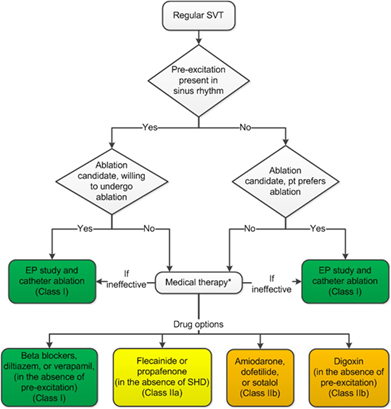
  • No cardiology review for many years, may be offered different therapy. See AHA algorithm below.
  • Treatment of SVT in perioperative setting discussed

2. Postoperative care

  • ? Cardiac monitoring required post-operatively
  • Telemetry bed may be preferred

Plan

  • Outpatient Holter monitor
  • Discuss at cardiology meeting with results
  • Consider telemetry monitoring post-operatively in consultation with Cardiology
  • Check electrolytes and TFT’s
AHA 2015: Ongoing management of SVT of unknown mechanism.
SHD, structural heart disease (including ischemic heart disease); and SVT, supraventricular tachycardia.

Toe Amputation Vs Hiatus Hernia Repair

PIG Meeting: 8th April 2021

78-year-old lady for amputation of 4 toes due to valgus deformity

Background

  • Long-standing valgus deformity of toes, limiting ability to wear shoes
  • Wheelchair-bound following complex ankle surgery on other foot
  • Hiatus hernia with significant symptoms including daily nausea and vomiting, waterbrash and a hoarse voice

Issues

  • Hiatus hernia repair scheduled for 4 weeks after foot surgery
  • Patient very keen to proceed with both procedures as scheduled

Discussion

  • Likely safer to defer foot surgery until after hernia repair
  • Patient is aware of risks and if wants to proceed then that is reasonable
  • Neuraxial anaesthesia is an option

Plan

  • Discuss with general surgeon as they may not feel that timing of the foot surgery gives adequate recovery time before hernia repair

Thoracoabdominal aneurysm repair and CSF drain

PIG Meeting: 8th April 2021

58-year-old lady for repair of a thoraco-abdominal aortic aneurysm

Background

  • Significant vascular disease; 4.8cm aortic aneurysm, renal artery stenosis of single functioning kidney
  • Mesenteric ischaemia requiring inferior mesenteric artery stent in 2020. On life-long Dual antiplatelet therapy (DAPT)
  • Ex-smoker, 40+pack year history
  • Active, no limiting symptoms. Works in aged care.

Issues

  • Surgeon requesting CSF drain insertion for spinal cord protection but would like patient to remain on DAPT. (See attached paper on CSF Drain for SC Protection)
  • Phone call to surgeon explaining that DAPT would need to be ceased in order to facilitate a neuraxial procedure
  • Significant surgical concerns for IMA stent patency if DAPT were to be ceased

Discussion

  • Discussed with haematologist, platelet transfusion would not be a solution
  • Multiple possible options presented including brief cessation of clopidogrel and insertion of drain day before. Issue of what to do when epidural catheter in and for removal discussed.
  • Tirofiban discussed due to its reversibility – limited experience  
  • Can the procedure be postponed allowing a longer time period between insertion of the IMA stent and cessation of DAPT?
  • Consensus that insertion of the CSF drain prophylactically while on DAPT would not be accepted safe practice

Plan

  • Issues discussed with surgeon. Agrees for clopidogrel to be ceased pre-operatively to facilitate CSF drain.

Right Frontal Insertion of Rickman Reservoir

PIG Meeting: 8th April 2021

63-year-old lady normal pressure hydrocephalus.

History of headaches and dizzy spells.

Background

  • IDDM with suboptimal glycaemic control, HbA1C = 12%
  • On 110 units of Ultra-long and rapid-acting insulin per day
  • Previous endocrine reviews reveal poor glycaemic control over many years
  • Compliant with medications but doesn’t have a glucometer
  • No known diabetic complications but history difficult due to neurological symptoms
  • COPD – NYHA 3 dyspnoea, current smoker
  • DASI 4 METS

Issues

  • Very keen for the procedure to proceed as symptoms limiting quality of life
  • Difficult to ascertain reasons for poor glycaemic control
  • Patient unaware of potential implications to health, particularly in the perioperative period
  • Distance patient, postponement on the day of surgery would be a major inconvenience to the patient
  • Unable to contact proceduralist, junior team members contacted and happy to continue

Discussion

  • Endocrine and GP review organised but limited time
  • Should we try and admit the patient the night before and commence an insulin infusion?
  • Risk of no bed being available then procedure could be postponed
  • Consensus that procedure is high risk for postoperative infection and should be postponed

Plan

  • Operating Surgeon eventually contacted – happy to defer until glycaemic control improved.
  • Expediate endocrine and GP reviews